
Too much iron isn’t super strength — it can be a serious health problem
Did you know that your body’s ability to absorb iron—the mineral that keeps your energy up and your blood oxygen-rich—can get hijacked by heavy metals like lead, cadmium, and mercury? These toxic troublemakers sneak into your system and block iron absorption right at the source: your intestinal cells, called enterocytes.
Here’s how it works:
Low Iron and Thyroid Dysfunction- is there a link ?
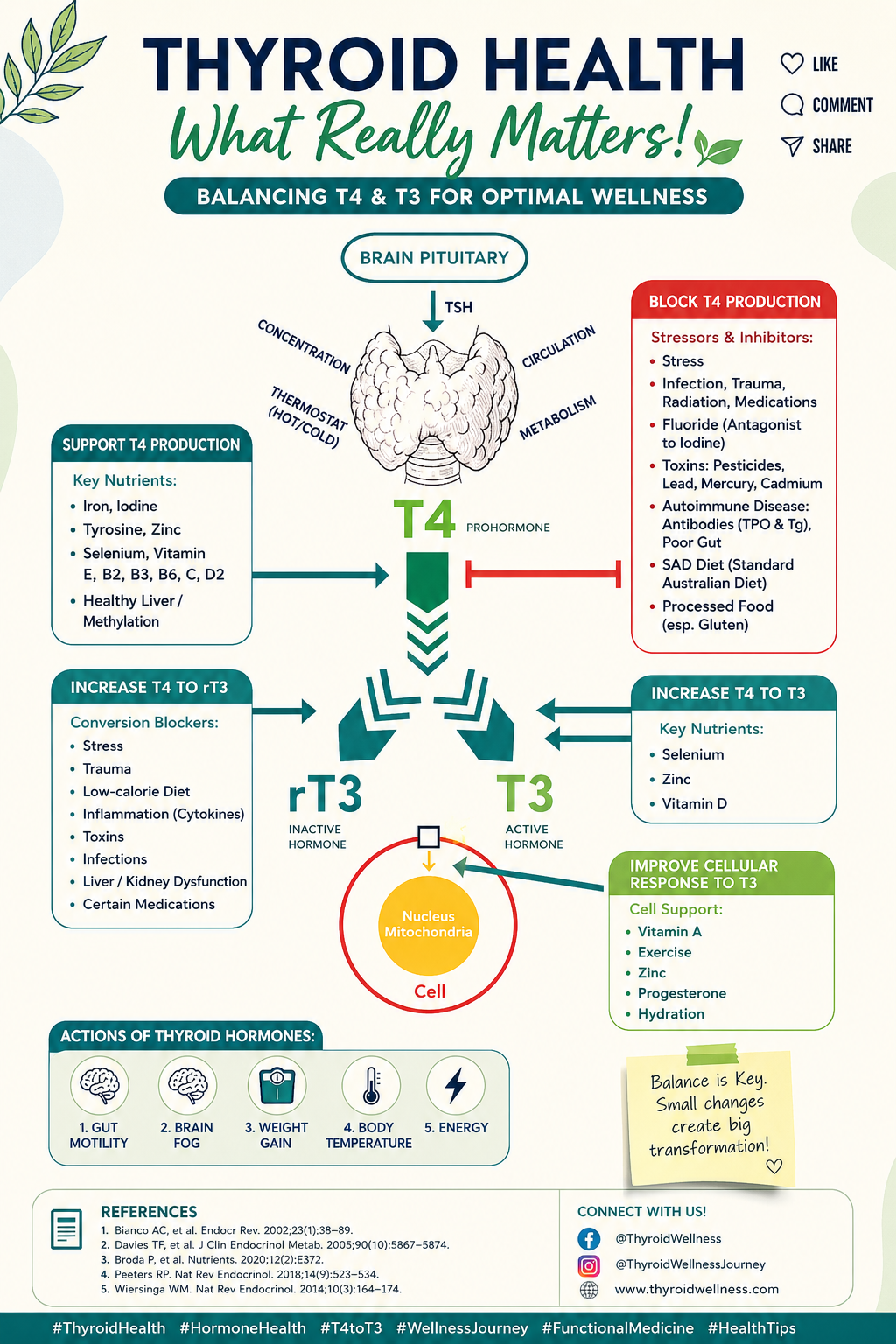
A growing body of evidence suggests that Iron Deficiency (ID) may play a significant role in the pathogenesis of thyroid dysfunction. Several studies have reported a high prevalence of ID in patients with thyroid diseases, particularly hypothyroidism and thyroid autoimmunity (TAI), which can impair the synthesis and function of thyroid hormones [6].
The production of thyroid hormones is negatively affected by ID, and their deficiency reduces the proliferation of erythrocyte precursors, both directly and through reduced secretion of erythropoietin by the kidneys [7,8].
Additionally, ID can affect the hypothalamic–pituitary–thyroid axis, leading to altered thyroid hormone levels and a decreased response to thyroid-stimulating hormone. Iron is also essential for the activity of thyroid peroxidase, an enzyme that catalyzes the iodination of tyrosine residues in thyroglobulin, a precursor protein for thyroid hormone synthesis [9].
Correlation between ID and hypothyroidism is likely due to impaired thyroperoxidase (TPO) hemoprotein biosynthesis, as shown in a rat study in which ID reduced TPO activity [4]. Furthermore, animal studies have shown that ID can interfere with thyroxine deiodinase activity by reducing the conversion of thyroxine (T4) to triiodothyronine (T3) and with the regulation of thyroid metabolism at the central level [10,11]. Moreover, the interaction between thyroid hormones and iron is bidirectional since, through the TRα receptor, TH directly stimulates erythropoiesis [12,13].
Understanding Iron Studies: Key Components and Their Importance
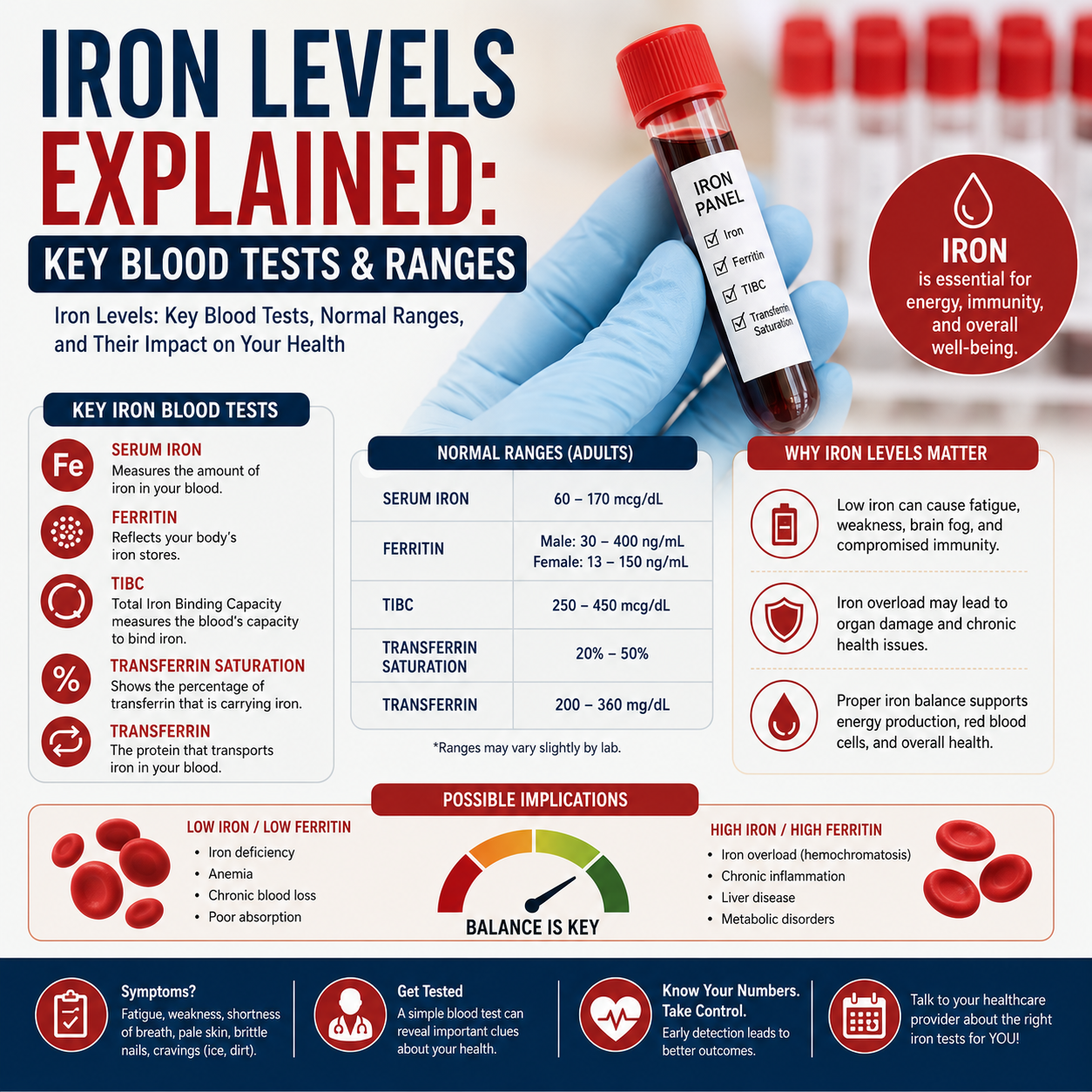
Understanding Iron Studies: Key Components and Their Importance
Iron studies are critical blood tests that evaluate iron levels and related proteins to diagnose conditions like anemia or iron overload. The four key components—transferrin, transferrin saturation, ferritin, and iron—provide a comprehensive picture of iron metabolism.
Living Well with Haemochromatosis: Simple Dietary Tips to Manage Iron Overload
Living Well with Haemochromatosis: Simple Dietary Tips to Manage Iron Overload
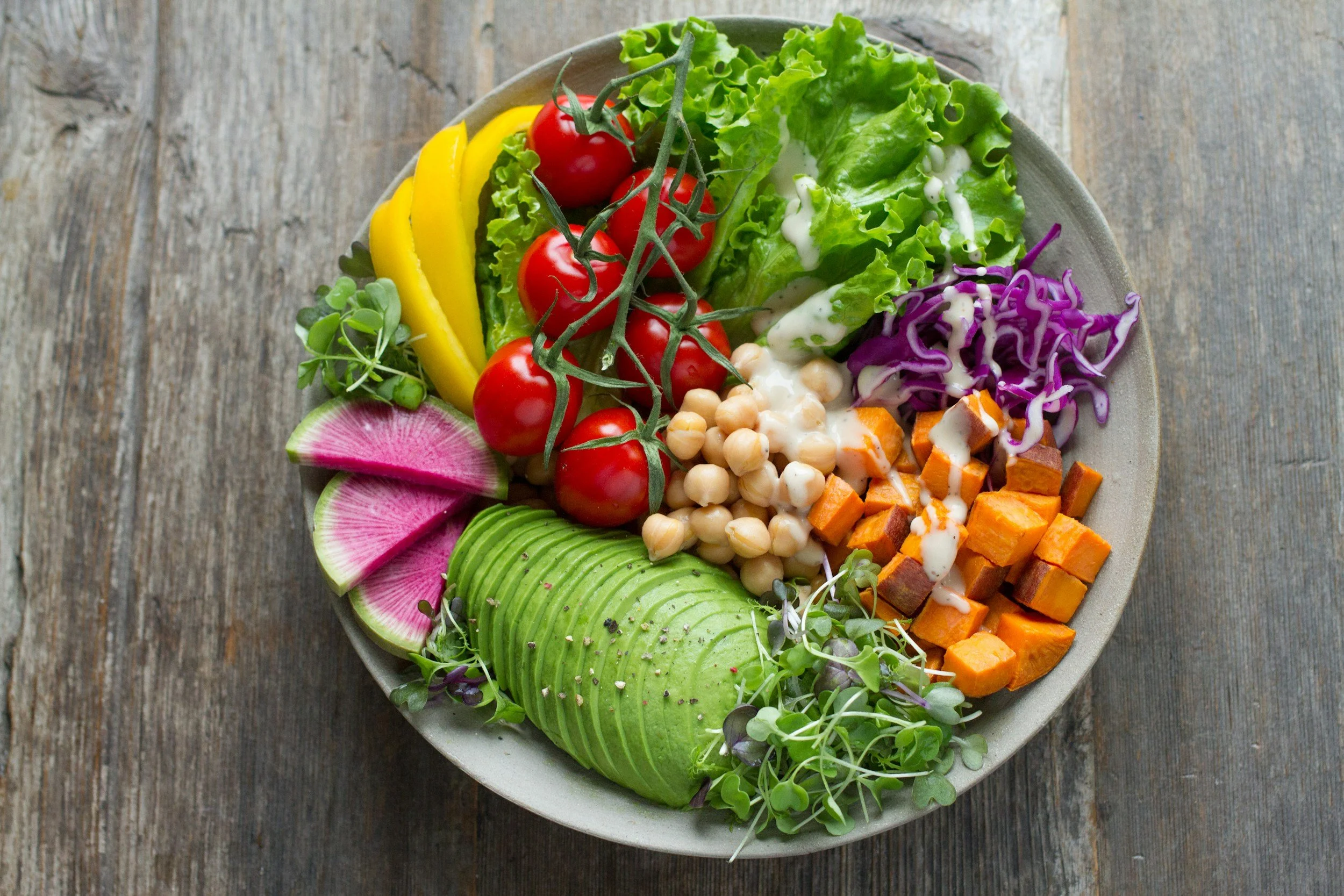
If you’ve been diagnosed with hereditary haemochromatosis (HH), you’re probably familiar with the concept of iron overload—where your body absorbs too much iron from food. While treatments like phlebotomy (regular blood removal) are standard, your daily diet can also play a crucial role in managing iron levels.
Heavy Metals vs. Iron: A Gut-Level Showdown
Did you know that your body’s ability to absorb iron—the mineral that keeps your energy up and your blood oxygen-rich—can get hijacked by heavy metals like lead, cadmium, and mercury? These toxic troublemakers sneak into your system and block iron absorption right at the source: your intestinal cells, called enterocytes.
Here’s how it works:
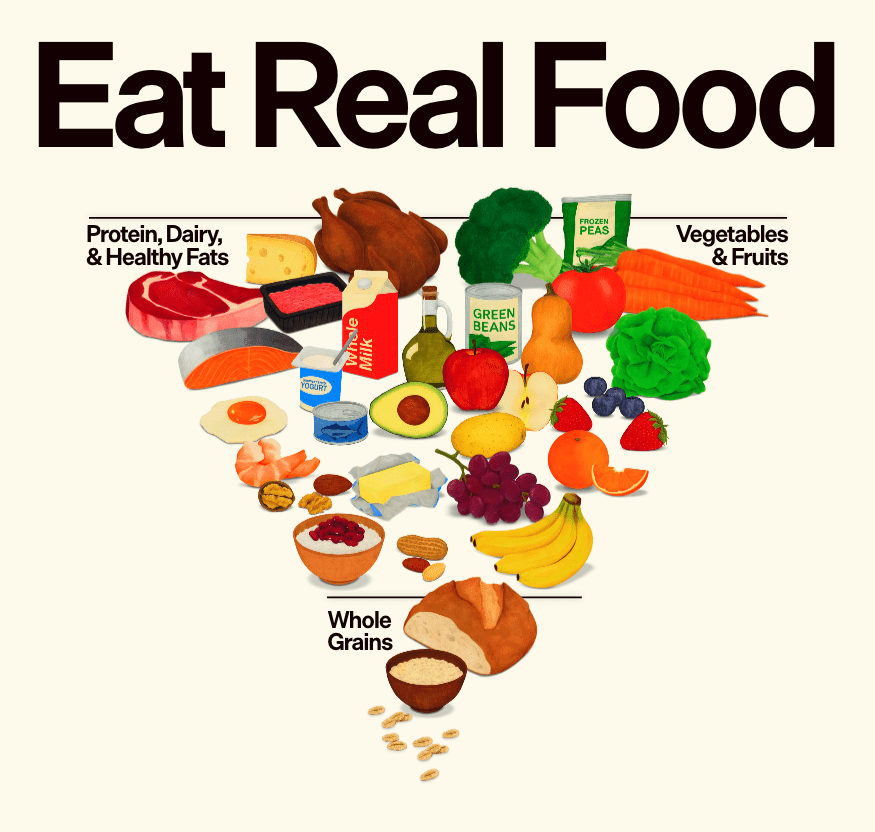
Flipping the food pyramid
Flipping the food pyramid- this is what us Naturopath’s have been saying for years! “upside-down” USA food pyramid better reflects what we now understand about inflammation, metabolic health, gut function, and chronic disease prevention. This modern model stands in clear contrast to the older grain- and dairy-heavy pyramid many of us grew up with (Australia is due to update its pyramid this year).
From grain-based to nutrient-based eating
From a naturopathic lens, this model contributed to: READ MORE
Breaking Down Anaemia: the big, the small and the normal
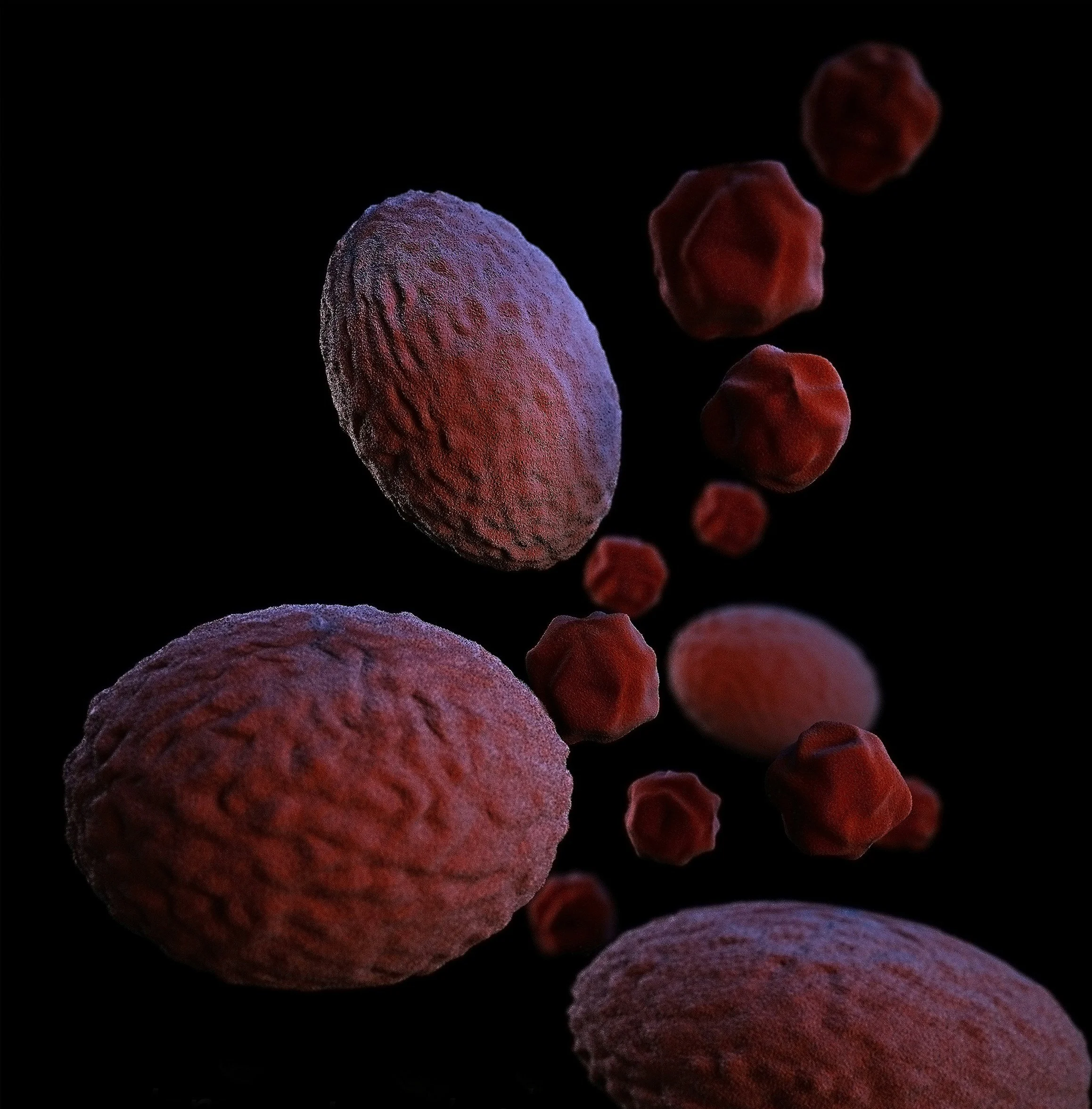
Breaking Down Anaemia: the big, the small and the normal
Anaemia isn’t just “low iron”—it’s a condition where your body doesn’t have enough healthy red blood cells (RBCs) to carry oxygen efficiently. But did you know anaemia comes in different types, based on the size of your red blood cells? Let’s break down the three most common classifications: microcytic, normocytic, and macrocytic anaemia.
Iron Infusions: A Quick Fix or Is There More to Consider?
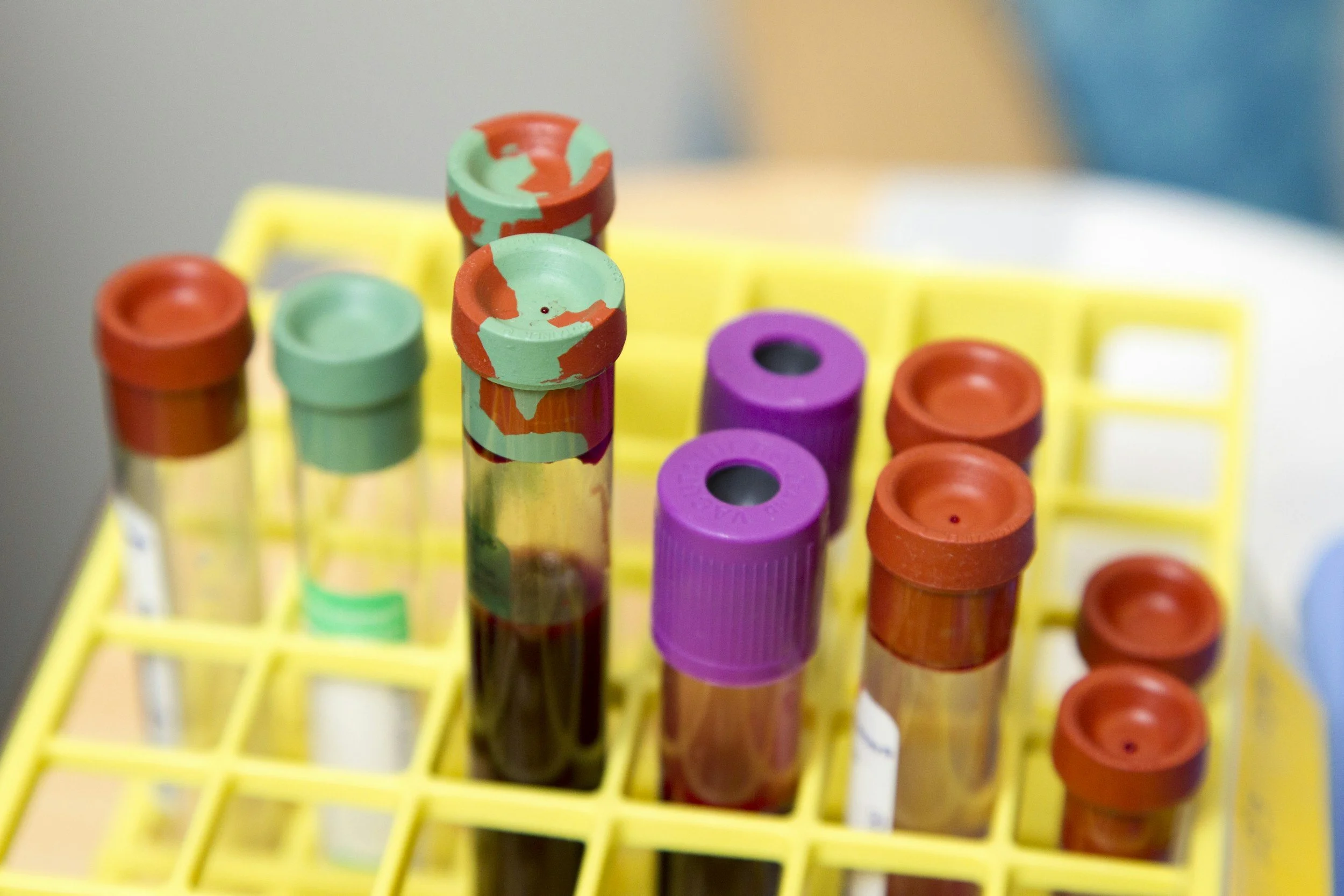
Iron Infusions: A Quick Fix or Is There More to Consider?
Iron deficiency is one of the most common nutritional deficiencies worldwide, particularly affecting women, vegetarians, and those with chronic health conditions (World Health Organization, 2020). When oral supplements aren’t effective or tolerated, iron infusions are often recommended as a rapid solution. While they provide clear benefits, it's important to consider potential side effects—and whether a holistic approach may offer a longer-term solution.

Antinutrients: friend or enemy?
Antinutrients: friend or enemy?
Antinutrients are natural compounds found in many plant-based foods that can interfere with the absorption of essential minerals like iron. While these compounds serve protective roles for plants, in humans, they can impact nutrient bioavailability, particularly non-heme iron—the form found in plant foods.
So, for those with low iron, this is not great- for those with high iron- they can reduce absorption and that can be good!

How Your Body Recycles Iron — and Why It Matters for Your Health
Did you know your body is an expert recycler?
Not just with paper and plastic — your body recycles iron every single day to keep you healthy and energetic, with good oxygenation and immune health.

“Heel Tap Anaemia”: When Your Passion for Running Runs off with Your Iron
“Heel Tap Anaemia”: When Your Passion for Running Runs off with Your Iron
Love pounding the pavement but feeling run down? You might be dealing with
Heel Tap Anaemia—a lesser-known but very real condition also called
Distance Runners’ Anaemia.
It happens when repetitive heel strikes during long-distance runs actually destroys red blood cells in your feet—a process called foot-strike haemolysis [1].
Combine that with iron loss from sweat, digestive stress, and high training loads, and boom—you’ve got fatigue, shortness of breath, and sluggish recovery.
But don’t hang up your sneakers just yet! Naturopathic care can help you run smarter, not weaker.