
Flipping the food pyramid
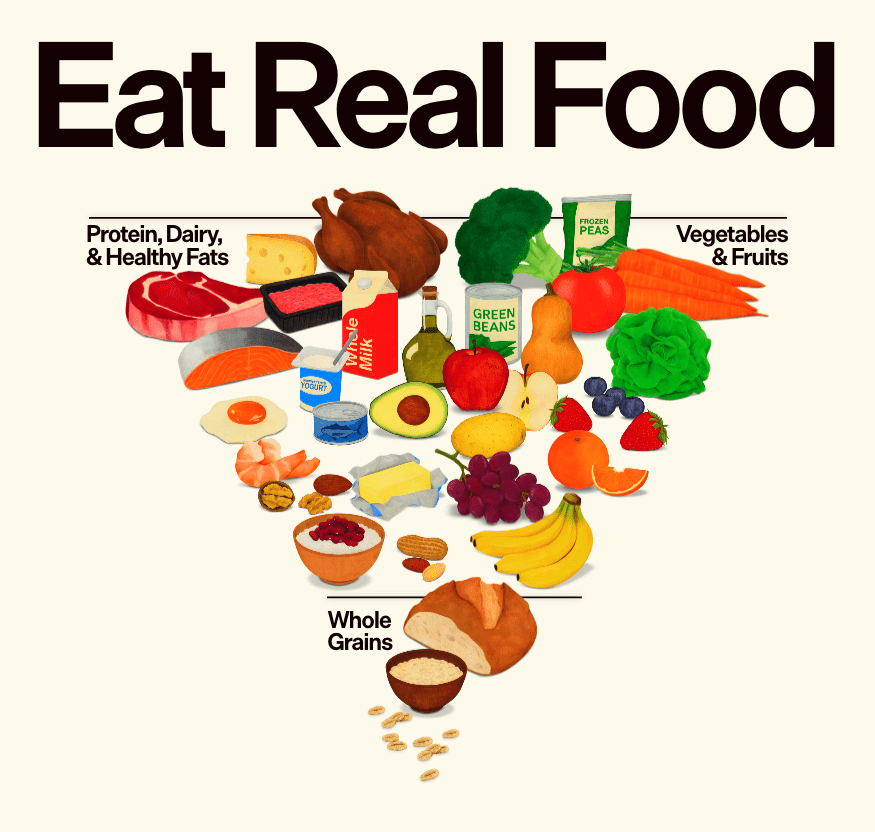
Flipping the food pyramid- this is what us Naturopath’s have been saying for years! “upside-down” USA food pyramid better reflects what we now understand about inflammation, metabolic health, gut function, and chronic disease prevention. This modern model stands in clear contrast to the older grain- and dairy-heavy pyramid many of us grew up with (Australia is due to update its pyramid this year).
From grain-based to nutrient-based eating
From a naturopathic lens, this model contributed to:
Blood sugar instability
Chronic low-grade inflammation
Increased rates of insulin resistance, IBS, autoimmune conditions, and weight gain
The upside-down pyramid: why it’s healthier
The inverted pyramid places whole, anti-inflammatory foods at the foundation, aligning far more closely with human physiology and traditional diets.
1. Vegetables as the base (instead of grains)
Non-starchy vegetables form the foundation because they:
Are rich in polyphenols, antioxidants, and fibre
Support gut microbiome diversity
Reduce oxidative stress and systemic inflammation
From a naturopathic perspective, vegetables:
Assist liver detoxification pathways
Improve hormonal clearance (especially oestrogen)
Reduce inflammatory markers linked to chronic disease
This shift alone dramatically lowers inflammatory load.
2. Healthy fats are no longer feared
The upside-down pyramid embraces fats such as:
Olive oil
Avocado
Nuts and seeds
Oily fish
These fats:
Stabilise blood sugar
Reduce inflammatory cytokines
Support brain, hormonal, and joint health
In contrast, the low-fat message of the old pyramid often led to high carbohydrate, highly processed diets, which we now know are more inflammatory than natural fats.
3. Quality protein over excess grains
Protein is prioritised from:
Fish and seafood
Eggs
Legumes
Moderate amounts of ethically sourced meat
Adequate protein:
Reduces cravings and overeating
Supports muscle mass and metabolic health
Assists immune and tissue repair
Grain-heavy diets, particularly those high in gluten-containing refined wheat, are associated with:
Increased intestinal permeability
Immune activation
Worsening of inflammatory and autoimmune conditions in susceptible individuals
4. Dairy is optional, not essential
The older pyramid framed dairy as essential for calcium and bone health. We now understand:
Many adults poorly digest lactose and casein
Dairy can increase mucus production and inflammation for some individuals
Calcium and bone-supportive nutrients are readily available from vegetables, seeds, nuts, and fish
In naturopathic practice, reducing or individualising dairy intake often improves:
Skin conditions (acne, eczema)
Sinus congestion
Gut symptoms
Joint pain
5. Refined grains and sugars move to the top
In the upside-down model, refined grains and sugars are:
Optional
Occasional
Not dietary staples
This reduces:
Glycaemic spikes
Insulin-driven inflammation
Fat storage and metabolic dysfunction
Why this approach is less inflammatory overall
From a naturopathic standpoint, the upside-down pyramid:
Reduces pro-inflammatory foods (refined grains, sugars, excess dairy)
Increases anti-inflammatory nutrients (omega-3s, phytonutrients, minerals)
Supports gut integrity, which is central to immune regulation
Aligns with whole-food, traditional eating patterns, not industrial food systems
Inflammation is at the root of most modern chronic diseases, and this style of eating directly addresses that root cause rather than merely managing symptoms.
In summary
The upside-down food pyramid is considered superior because it:
Prioritises vegetables, healthy fats, and whole foods
Reduces reliance on grains and dairy that can drive inflammation
Supports gut, hormonal, metabolic, and immune health
Reflects both modern nutritional science and naturopathic principles
In clinical practice, this way of eating consistently leads to:
✔ Better energy
✔ Improved digestion
✔ Reduced inflammation
✔ Sustainable long-term health
